
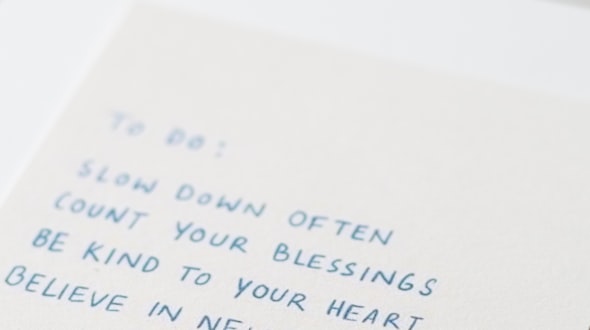
Incorporating rituals into your daily routine can help reinforce your purpose, and they don’t have to be complicated or time-consuming. Here are some examples of common rituals:
- Morning affirmations to set your intentions.
- Journaling to reflect on your progress and challenges.
- Mindfulness exercises to center your thoughts.
- Physical exercise to get your blood moving and neurons firing.
Why Rituals Matter
Life has a way of pulling us in a hundred different directions. Between work, family, responsibilities, and the endless stream of notifications, it’s surprisingly easy to lose sight of the deeper reason behind everything we’re working so hard to accomplish.
That’s where rituals come in.
The extraordinary people we’ve studied so far don’t seem to rely on motivation alone. Instead, many have intentionally built simple, repeatable practices into their lives that reconnect them with their purpose. These rituals act like gentle reminders, bringing their “why” back into focus before distractions have a chance to take over. They don’t have to be complicated or time-consuming. What matters is that they consistently point your attention back to what matters most.
Some examples we’ve seen so far include:
- Tony Robbins begins each day with a priming ritual that combines breathing, gratitude, and visualization to intentionally create the emotional state he wants to live from.
- Benjamin Franklin started each morning by asking himself, “What good shall I do this day?” and ended each evening by reflecting on how he had lived, keeping service and personal growth at the center of his daily life.
- Nikola Tesla followed highly structured work routines and long periods of focused thought, creating an environment where his curiosity and life’s work remained his constant priority.
- Rosa Parks drew strength from regular prayer, her faith, and active involvement in her church and community, reinforcing the values that guided her decisions long before history called on her to act.
- Ann Radcliffe maintained a disciplined writing practice, returning to her manuscripts day after day and trusting that steady, purposeful work would eventually become something meaningful.
The rituals themselves are all different, but they serve the same purpose: they help extraordinary people remember who they are, what they stand for, and why their work matters. Perhaps that’s the real lesson.
You don’t need to copy someone else’s ritual—you simply need to create one that brings your “why” back into focus, day after day.