
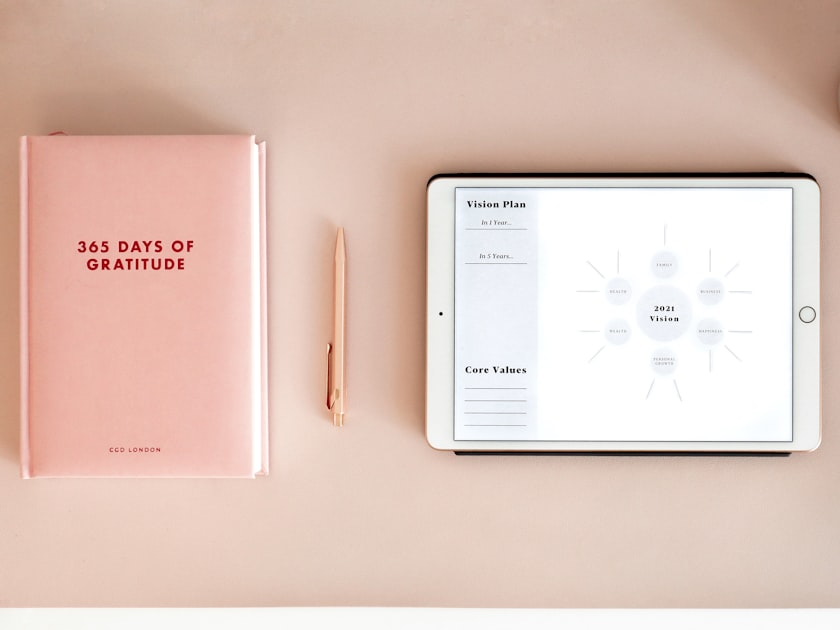
Building a Personal System for Purpose
Developing a system can help keep your purpose at the forefront. Consider these common systems:
- Schedule time on your calendar for YOU.
- Identify key reminders that resonate with you.
- Use technology to set alerts for reflection.
- Engage in community discussions to share insights.
Why Systems Matter
Even the strongest sense of purpose can get buried under a busy schedule. Meetings, deadlines, family responsibilities, and everyday distractions all compete for our attention. That’s why many extraordinary people don’t rely on memory or motivation alone—they create systems that help keep their “why” front and center.
A system is simply a repeatable way of making sure your purpose doesn’t get lost in the shuffle. It might be something as simple as scheduling time for reflection on your calendar, setting reminders on your phone, reviewing your goals every Sunday evening, or asking a trusted friend to check in and keep you accountable. The best systems don’t require constant willpower. Instead, they gently bring you back to what matters most, again and again, until staying connected to your purpose becomes part of the rhythm of your life.
Some examples we’ve seen so far include:
- Benjamin Franklin created one of history’s earliest personal accountability systems by tracking his virtues, asking himself purposeful questions each morning and evening, and regularly reviewing his progress.
- Tony Robbins has built structured daily routines around his priming practice, ensuring that reconnecting with his purpose isn’t something he does only when he feels like it—it’s built into his schedule.
- Nikola Tesla lived by highly disciplined work routines that protected long periods of uninterrupted thinking, allowing his curiosity and vision to remain the driving force behind his work.
- Ann Radcliffe maintained a consistent writing practice, returning to her work day after day instead of waiting for inspiration to strike.
- Rosa Parks remained deeply involved in her church, community, and civil rights organizations, creating a support system of people and commitments that continually reinforced the values she lived by.
The systems themselves look different for everyone, but they all share one thing in common: they reduce the chance that purpose will be forgotten. The more your calendar, routines, environment, and relationships reflect your “why,” the less you’ll have to depend on motivation alone.